
Common Types of Stains on Siding (and How to Remove Them Safely)
- Owner-Operator of Simple Clean LLC Power Washing Services
- Power Washers of North America Board of Directors
- PWNA-Certified House Wash Specialist
What Are Those Stains on Your House Siding?
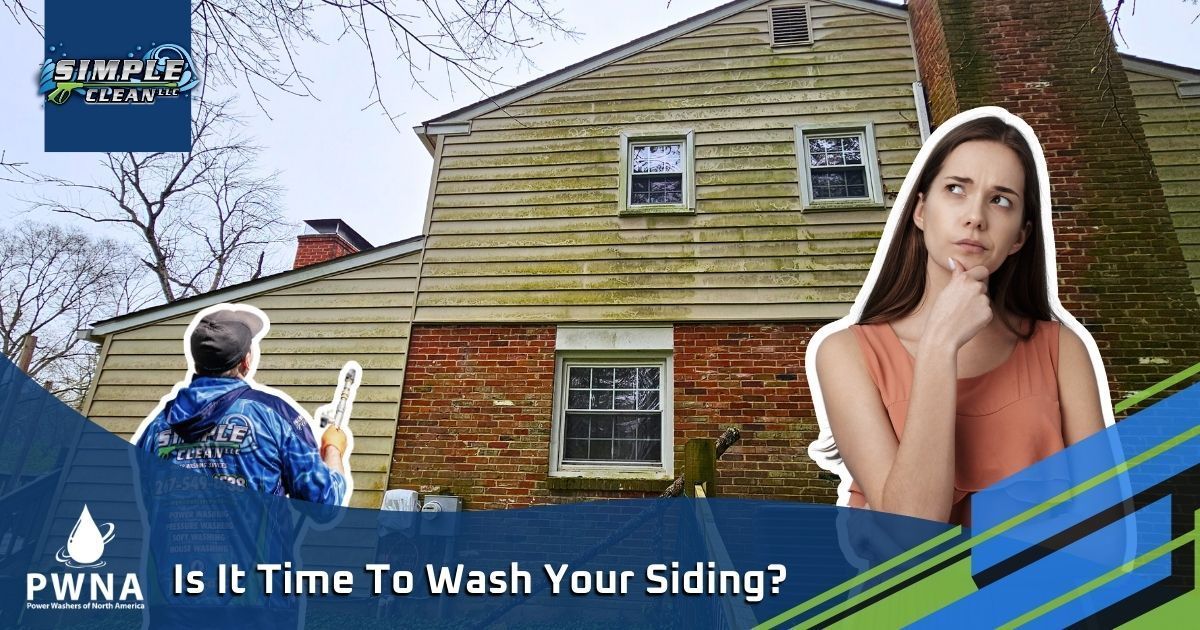
Different stains on siding require different cleaning methods, and some marks that look like dirt are actually permanent changes to the material. Green growth may disappear during a routine soft wash, while oxidation, rust, or artillery fungus can require specialty treatment and may never come off completely.
After more than 20 years of cleaning homes around Media, Delaware County, and Chester County, I have learned that stain identification is one of the most important parts of a house wash. Before we begin, I look at where the stain is located, how it is shaped, what surface it is on, and what may be causing it.
Here are seven common types of stains on siding and what homeowners should know about each one.
1. What Causes Green Stains on Siding?
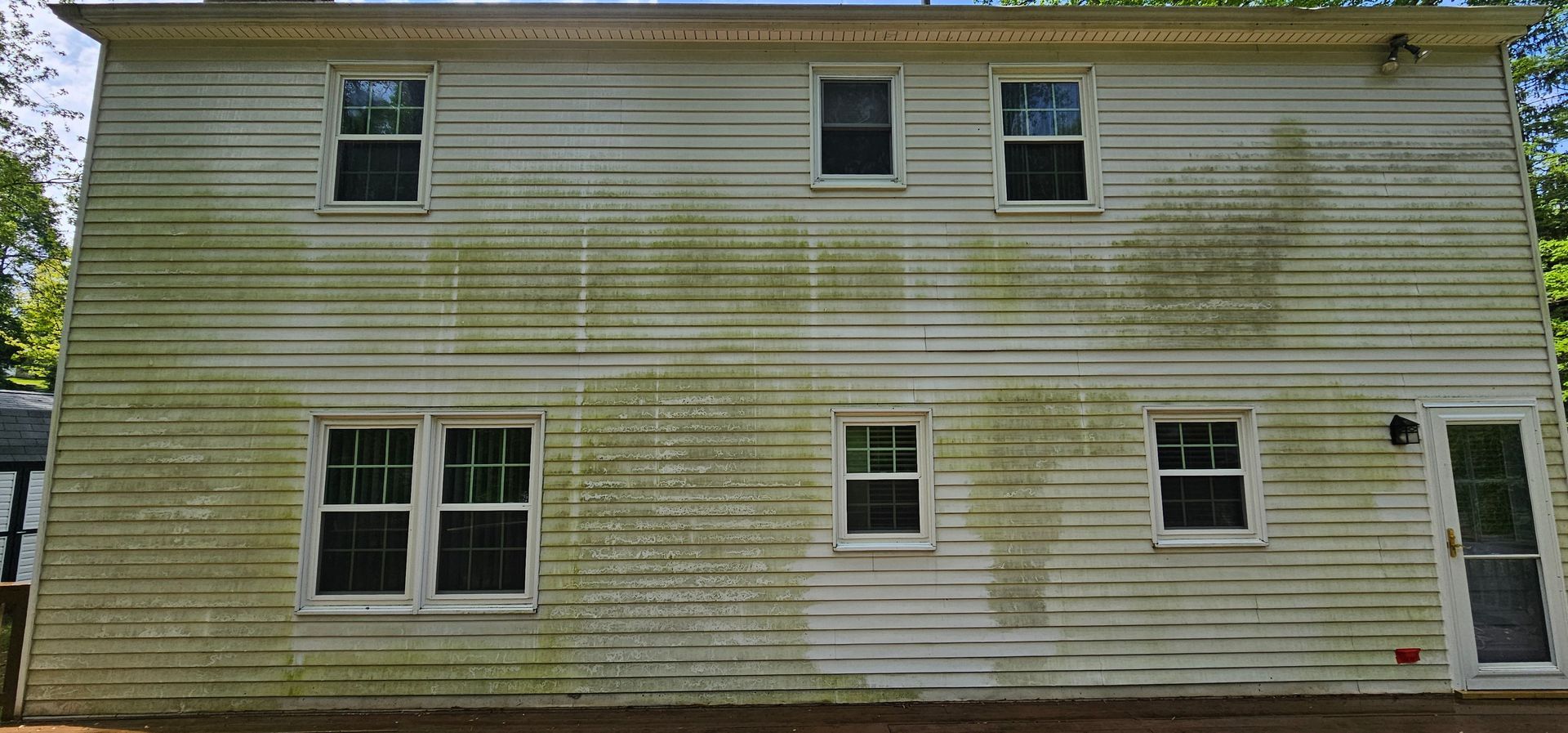
Green stains on siding are usually caused by algae growing in damp, shaded areas. It commonly appears on the north side of a home, beneath trees, behind shrubs, and anywhere that receives limited sunlight or airflow.
Algae generally responds well to professional soft washing. Instead of trying to blast it away, we apply a cleaning solution that treats the organic growth and then rinse the siding with controlled low pressure.
The green color may be most visible on light vinyl siding, but algae can also grow on painted siding, stucco, brick, and other exterior surfaces. Regular house washing every one to three years can keep the growth from becoming heavily established.
2. What Causes Black or Gray Spots on Siding?
Black or gray discoloration may be mold, mildew, algae, dirt, or a combination of several contaminants. The location and pattern usually provide the first clues about what is actually growing on the house.
Dark staining under overhangs, around shutters, or on shaded walls often develops where moisture lingers. These areas may stay damp long after the rest of the house has dried following rain or morning dew.
A proper house washing solution can treat most organic discoloration without relying on aggressive pressure. As a PWNA-certified House Wash Specialist, I always tell homeowners that the goal is not simply to make the stain disappear for a photograph. The cleaning method should address the growth while protecting the siding underneath it.
3. What Is the Chalky Film on Vinyl Siding?
A chalky film on vinyl siding is usually oxidation caused by years of sunlight and weather exposure. Oxidation is not ordinary dirt, and a standard house wash may expose it more clearly rather than remove it.
You can perform a simple test by rubbing a dry section of siding with your finger. If a powdery residue transfers to your skin, the surface is likely oxidized.
This condition is especially common on sun-facing walls. Areas beneath shutters, roof overhangs, or covered porches may retain their original color while exposed sections fade, creating visible differences.
Oxidation removal is a separate restoration process and is not always recommended. Once the outer surface has deteriorated, aggressive cleaning can leave streaks, wand marks, or uneven coloring. This is one stain where honest expectations matter more than dramatic promises.
4. What Are the Tiny Black Dots That Will Not Wash Off?
Tiny black or brown dots that resemble tar or pepper are often artillery fungus spores. They are launched from damp, decaying wood mulch and can stick tightly to siding, windows, trim, vehicles, and outdoor furniture.
Artillery fungus is among the most difficult types of stains on siding. The spores attach firmly and may remain visible even after a professional house wash. Scraping or blasting them can damage vinyl, paint, or glass before the spots release.
I encounter this most often where traditional hardwood mulch sits close to a light-colored house. Replacing the affected mulch with stone, rubber mulch, or another less hospitable ground covering may reduce future problems.
Cleaning can sometimes improve the appearance, but homeowners should be cautious of anyone promising effortless or complete removal.
5. What Causes Orange or Brown Streaks on Siding?
Orange or brown streaks are commonly caused by rust or iron staining. The source may be a corroded fastener, metal light fixture, air-conditioning component, sprinkler system, well water, or runoff from nearby masonry.
Rust does not usually respond to a standard house washing mixture. It often requires an acidic specialty cleaner selected for the stained surface.
The source should also be corrected before or after cleaning. Removing a rust streak without replacing the corroded screw or redirecting iron-rich water means the stain will probably return.
After hundreds of local exterior cleaning projects, I have found that rust treatment is less about applying stronger pressure and more about using the right chemistry carefully. Excessive pressure can damage the siding without changing the stain.
6. What Causes Red or Muddy Stains Near the Foundation?
Red, orange, or muddy stains near the bottom of a home may come from clay, soil, mulch runoff, or iron-rich splashback. These marks commonly appear after heavy rain strikes bare ground and throws contaminated water onto siding, stucco, brick, or foundation walls.
Fresh surface dirt may rinse away during routine house washing. Older red clay or iron deposits can penetrate porous materials and require specialty treatment.
The surface matters. Vinyl siding is less porous than brick, stucco, or concrete, so the same stain can behave differently from one area to another.
Correcting drainage, extending downspouts, adding ground cover, or changing the landscaping near the wall can help prevent the staining from returning after cleaning.
5. What Are the White Streaks on Brick or Masonry?
White streaks on brick, block, and masonry are often efflorescence, which forms when moisture carries dissolved salts toward the surface. As the water evaporates, the mineral deposits remain behind as a white haze, streak, or crust.
Efflorescence is different from algae and does not disappear through a normal soft wash. Specialty masonry cleaners may improve it, but the underlying moisture source must also be considered.
Cracked mortar, poor drainage, failed flashing, and water moving through masonry can all contribute to recurring deposits. Cleaning the visible stain without addressing the moisture may provide only temporary improvement.
On masonry, restraint matters. A cleaning method strong enough to remove every white mark could also discolor the brick or damage mortar joints.
Frequently Asked Questions
How much does it cost to remove stains from siding?
Standard house washing generally starts in the several-hundred-dollar range, while specialty stain removal may cost extra. Simple Clean LLC has a $350 minimum service call. The final price depends on the home’s size, access, siding material, stain type, and whether separate restoration chemicals or additional labor are needed.
Does regular house washing remove every siding stain?
No, regular house washing does not remove every type of siding stain. It works especially well on algae, dirt, pollen, cobwebs, and common organic buildup. Oxidation, rust, artillery fungus, paint failure, and deeply embedded mineral stains may require separate treatment or may remain partially visible.
How can a contractor tell what is staining my siding?
An experienced contractor examines the stain’s color, texture, pattern, location, and likely source. Green growth on a shaded wall behaves differently from chalky oxidation on a sunny wall or orange runoff beneath a metal fixture. A small test area may also be used before recommending treatment.
How often should siding be professionally cleaned?
Most homes benefit from professional house washing every one to three years. Homes surrounded by trees, exposed to heavy pollen, or located in shaded and damp settings may need cleaning more frequently. Waiting until growth becomes severe can make the home look neglected and may complicate the cleaning process.
Can pressure washing damage stained vinyl siding?
Yes, excessive pressure can scar vinyl siding, force water behind it, loosen panels, and create visible marks in oxidized areas. Most siding should be soft washed using an appropriate cleaning solution and low-pressure rinse. Pressure alone is not a safe substitute for proper stain identification and chemistry.
Will house washing hurt my plants or grass?
Professional house washing should not harm healthy landscaping when the property is prepared and rinsed correctly. At Simple Clean LLC, we inspect the work area and thoroughly pre-rinse nearby plants and grass before applying cleaning solutions. Vegetation is monitored and rinsed throughout the service as an additional precaution.
Do you remove siding stains in Delaware County and Chester County?
Yes, Simple Clean LLC provides house washing and exterior cleaning throughout Delaware County and Chester County from our base in Media, PA. We evaluate algae, oxidation, rust, artillery fungus, dirt, and other discoloration and explain what should come clean before beginning the work.
Find Out What Is Really on Your Siding
The right way to clean siding starts with identifying the stain rather than reaching for more pressure. Some discoloration is simple organic buildup, while other marks are signs of oxidation, mineral deposits, rust, or permanent contamination.
Simple Clean LLC is owner-operated, so Ryan personally evaluates and works on every project instead of handing the job to a rotating subcontractor. Send us a few clear photos to request a straightforward quote and an honest explanation of what can realistically be cleaned.
About the Author - Ryan McGowan
Ryan McGowan is the owner-operator of Simple Clean LLC Power Washing Services, based in Media, PA, and serving Delaware County, Chester County, and the surrounding Southeastern PA area since 2017. With 20+ years of hands-on experience in exterior cleaning, Ryan personally leads every job — no subcontractors, no rotating crews, just the same trained professional from the first estimate to the final rinse.
Ryan is a PWNA-Certified House Wash Specialist, holding credentials in House Washing, Roof Cleaning, and the Fundamentals of Power Washing through the Power Washers of North America. He also sits on the PWNA Board of Directors and contributes to its Marketing Committee, helping shape higher standards across the exterior cleaning industry — not just following best practices, but helping write them.
Beyond the certifications, Ryan's training includes OSHA 1910, DOT, EPA environmental compliance, GHS/HazCom, ladder safety, chemical safety, and first aid — the kind of behind-the-scenes preparation that homeowners rarely see but always benefit from. Simple Clean LLC is also AskTheSeal accredited, giving clients verified confidence in exactly who's showing up to their property.
When Ryan writes about power washing, soft washing, or house washing here on the blog, it comes from two decades of actually doing the work — not just marketing it.


Local Owner/Operator with 20+ Years of Experience
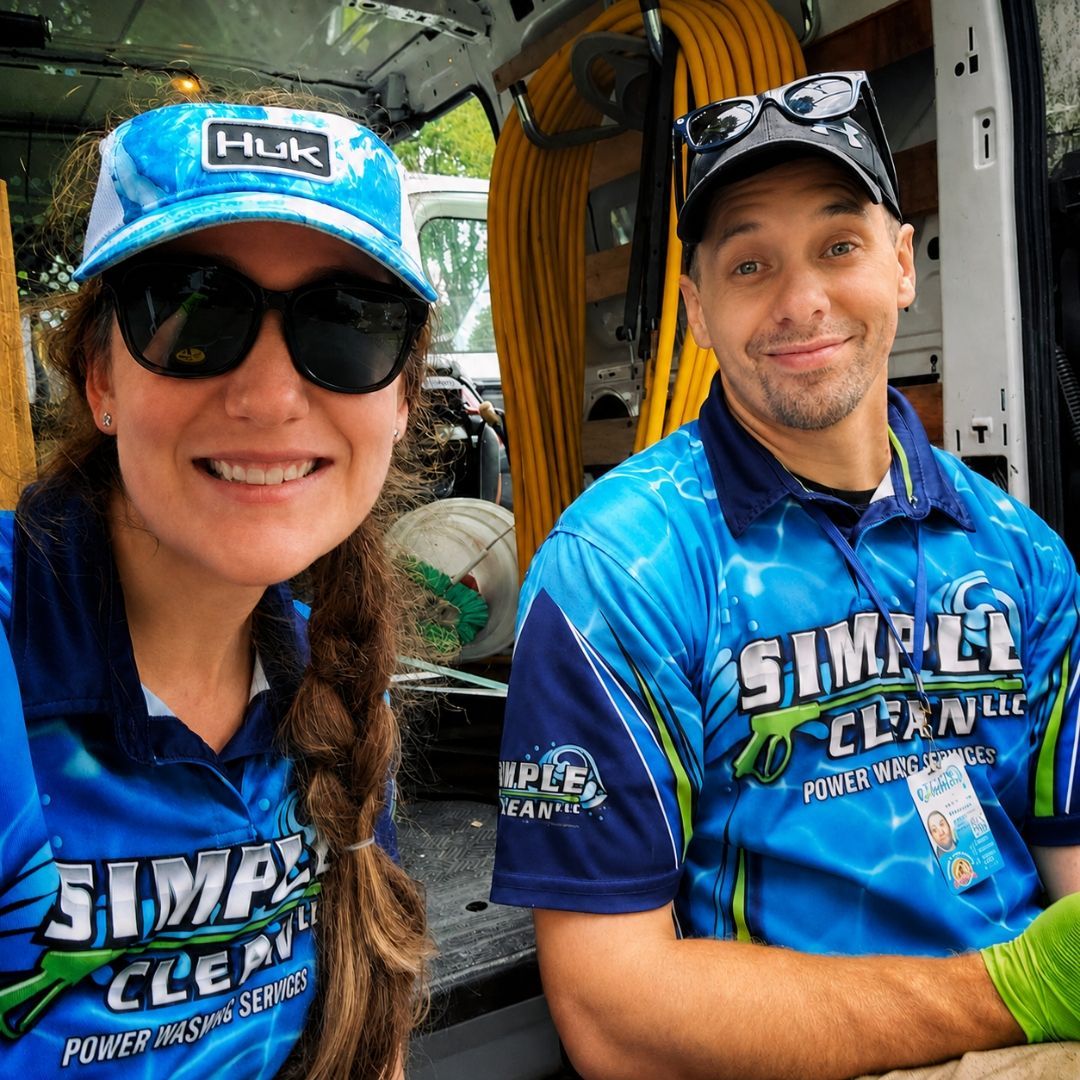
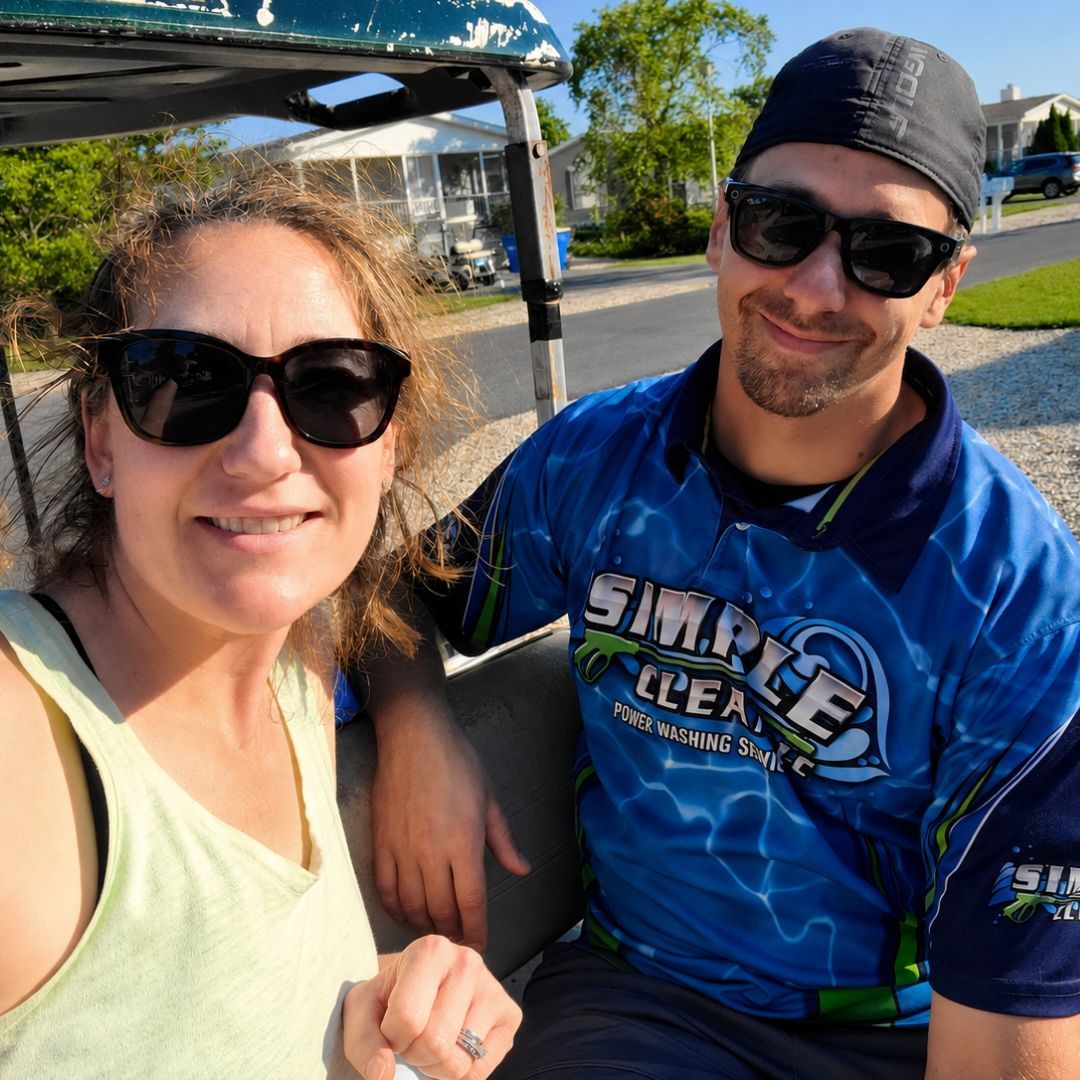
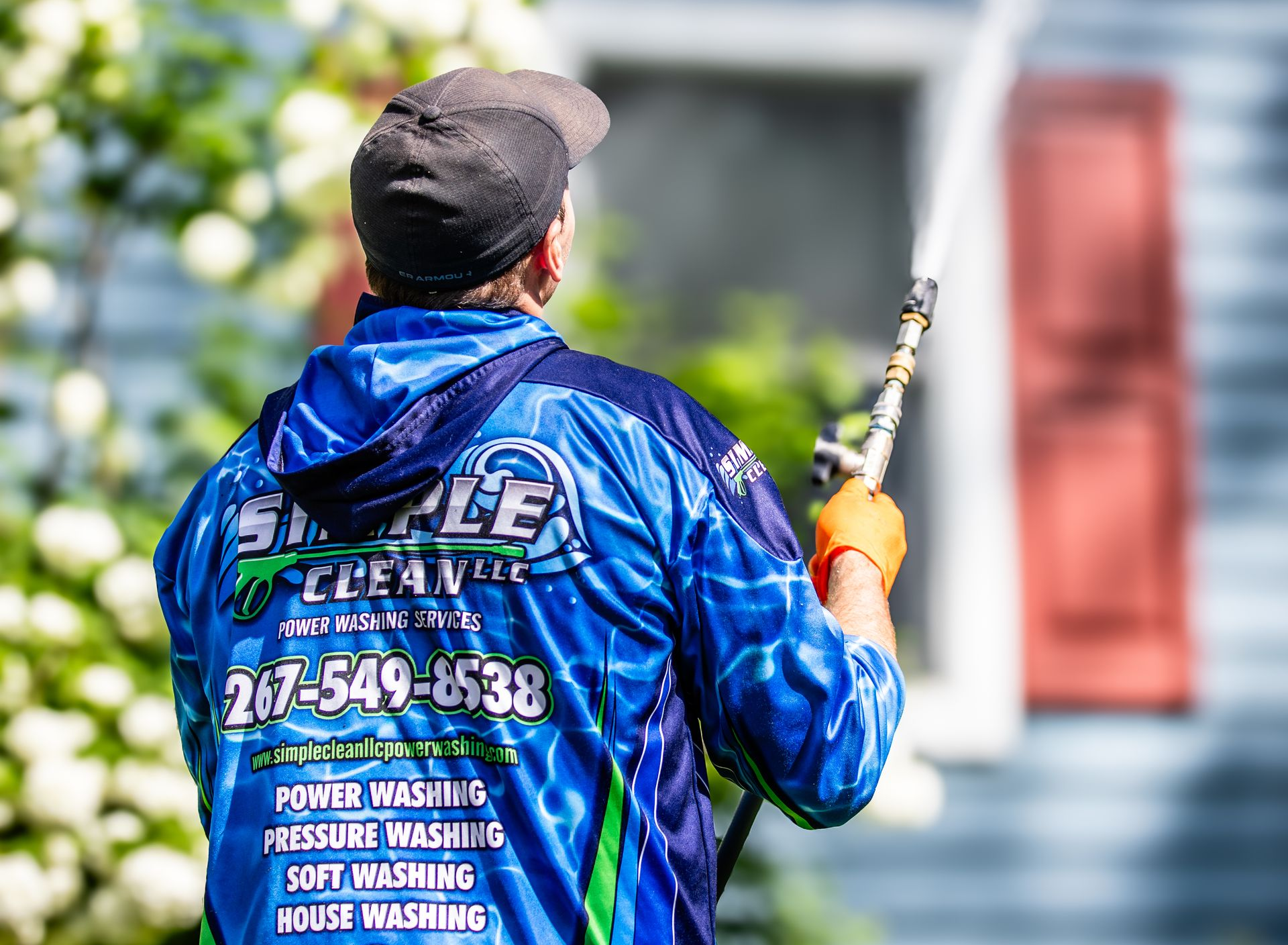
The owner is on every job — not managing from an office while a subcontractor shows up. With 20+ years of hands-on experience and 222+ five-star reviews across four counties, you know exactly what you're getting before we ever pull up to your property.
Certified Contractor with the PWNA
Simple Clean LLC holds active PWNA certification with specific credentials in house washing and roof cleaning. That means trained, tested, and accountable — not just a pressure washer and a pickup truck.

We're Committed to Your Safety and Security!
Your Trust is Earned, Not Assumed Simple Clean LLC is ASK THE SEAL accredited, giving homeowners verified confidence in who they're letting on their property. Clear communication, clean worksites, and results that consistently earn referrals.
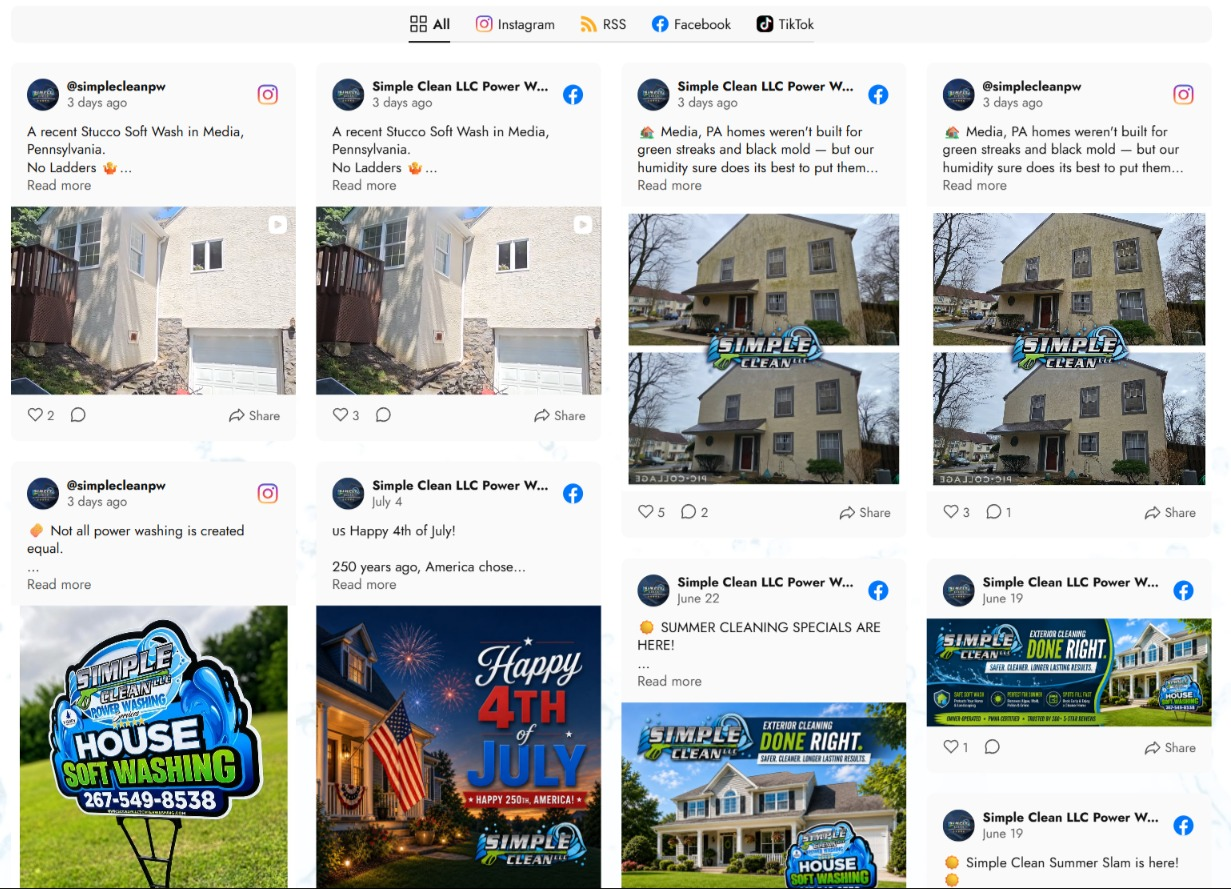
Follow Simple Clean LLC Power Washing Services
Follow Simple Clean LLC Power Washing Services for a front-row seat to real before-and-after transformations, seasonal exterior cleaning tips, and behind-the-scenes looks at how we soft wash and pressure wash homes across Delaware, Chester, Montgomery, and Bucks Counties. From algae-covered siding turned spotless to driveways restored to like-new, our social feeds show the kind of results flat photos and quotes alone can't fully capture.
Join our community for maintenance tips that help protect your home between cleanings, exclusive seasonal offers, and a closer look at the owner-operated, PWNA-certified team behind every job. Give us a follow and see why homeowners across southeastern Pennsylvania trust Simple Clean LLC to keep their properties looking their best.
Real Before-and-After Results from Delaware, Chester, Montgomery & Bucks Counties
Fresh Off the Truck: Power Washing Tips & Insights
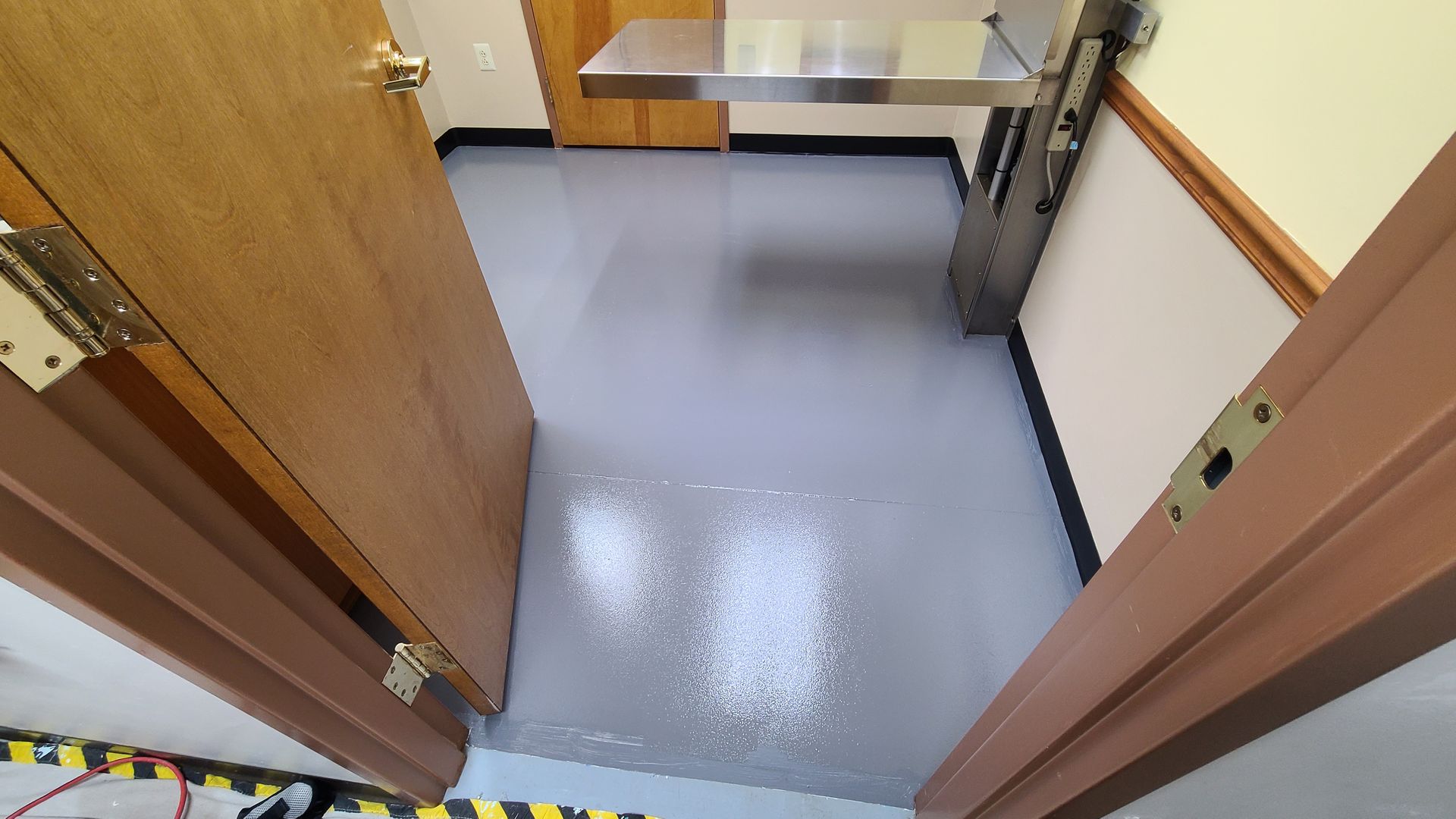
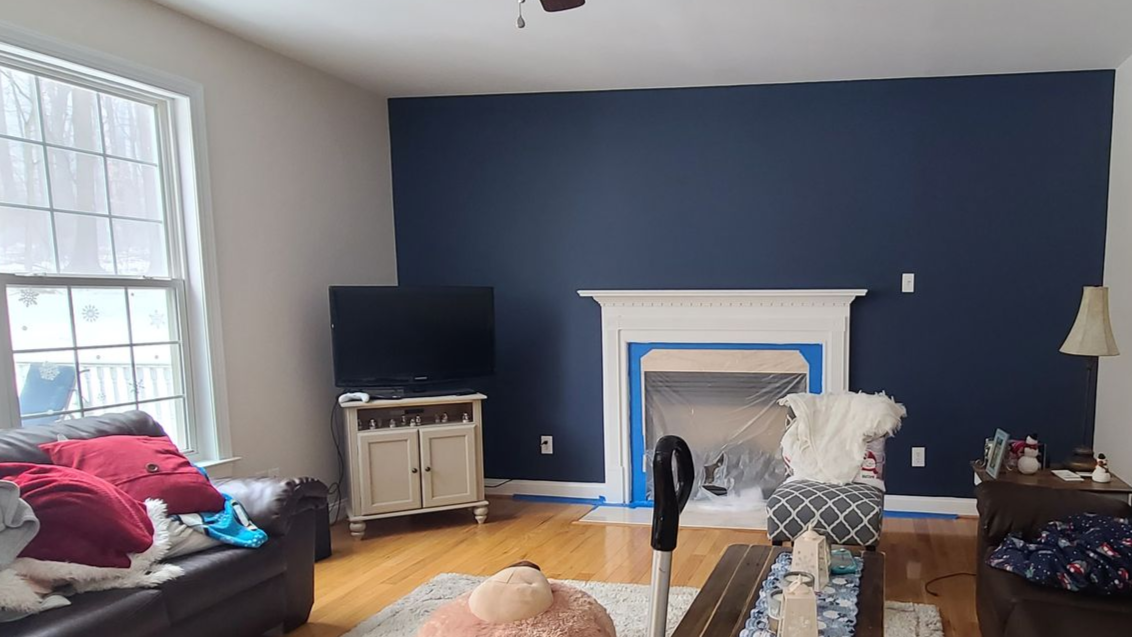
SEASONAL INTERIOR PAINTING · NOW BOOKING NOV 2026 – FEB 2027
Trusted Interior Painting for Media, PA & the Surrounding Area
Same owner-operated team you trust for exterior cleaning, now painting interiors — careful prep, two-coat finishes, and a standard that holds up long after the last coat dries.
Every winter, while our exterior schedule slows down, Simple Clean LLC turns its full attention indoors — bringing that same detail-first approach to homes and businesses throughout Media, PA. One owner, one standard, no rotating crews: the person who quotes your project is the same one prepping it, painting it, and walking it with you at the end. From a single room refresh to a full interior repaint, we only take a limited number of projects each season — so early booking matters.
Also serving:
Interior Painting in Newtown Square, PA ·
Interior Painting in Glen Mills, PA ·
Interior Painting in Wallingford, PA ·
Interior Painting in Swarthmore, PA ·
Interior Painting in Springfield, PA
Also serving (Chester County):Interior Painting in West Chester, PA ·
Interior Painting in West Goshen, PA ·
Interior Painting in East Goshen, PA ·
Interior Painting in Malvern, PA