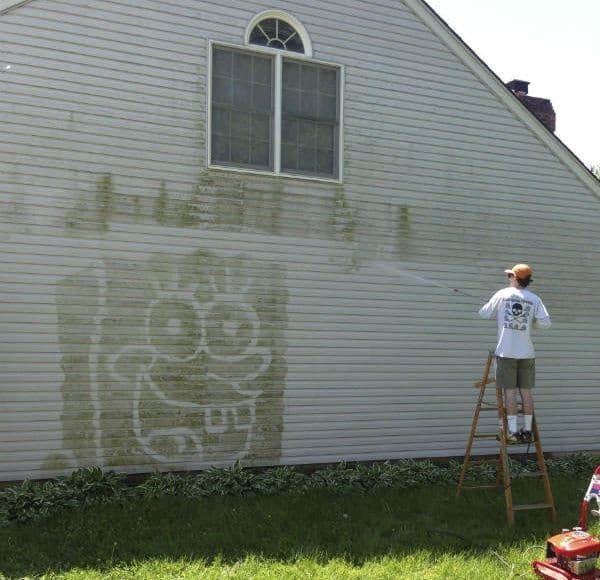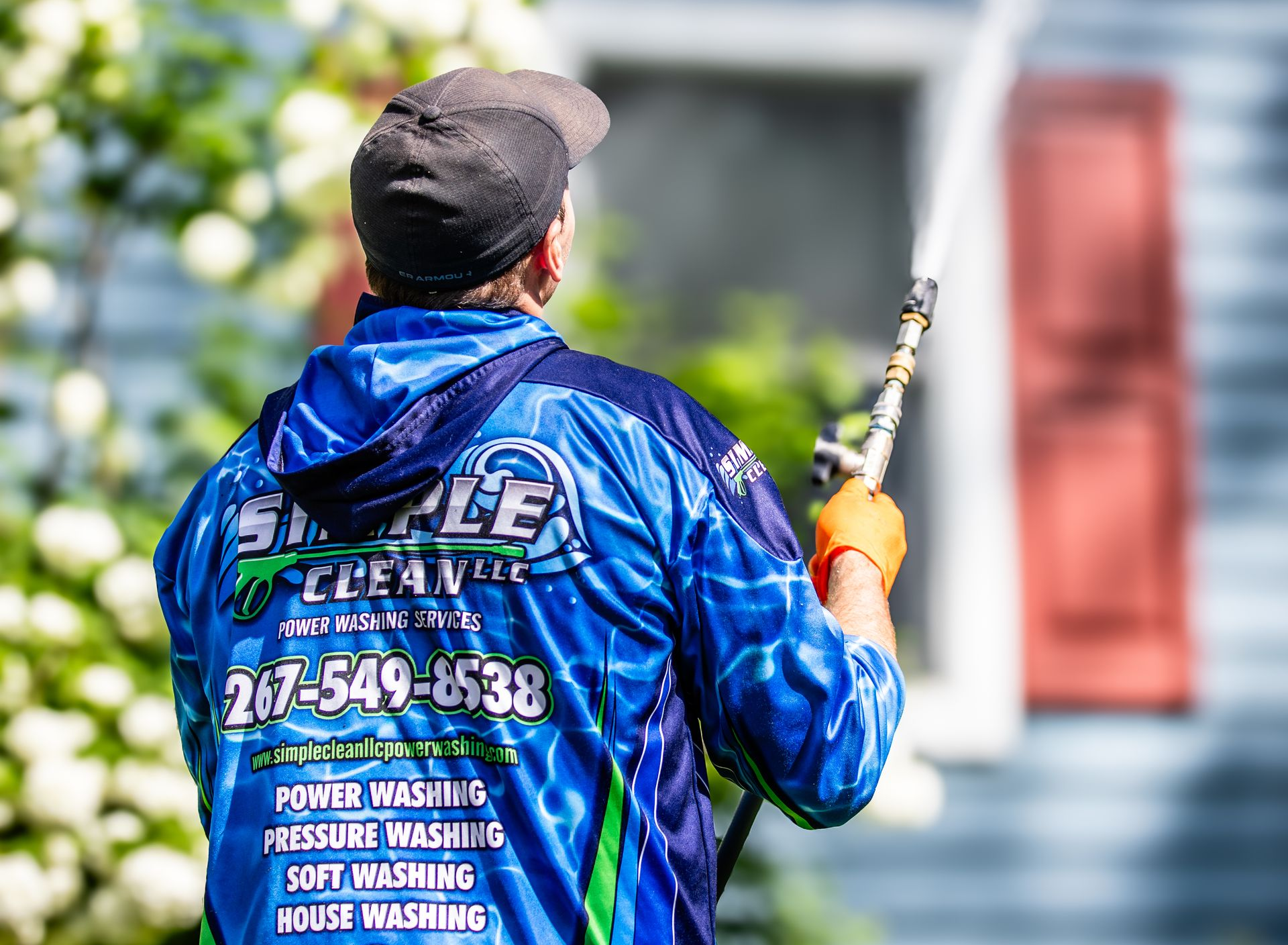
A pressure washer in the wrong hands — or even in experienced hands aimed at the wrong surface — can cause real, costly damage. Cracked stucco, shredded window screens, blown-out mortar joints, water-logged AC units. We've seen it all, and we've been called in to assess the aftermath more times than we can count. Here's what every homeowner should know before anyone points a wand at their home.
High Pressure Isn't Always the Answer
There's a common misconception that pressure washing is a one-size-fits-all solution. Crank up the pressure, point it at the problem, done. The reality is that different surfaces require entirely different approaches — and using high pressure on the wrong material doesn't just clean poorly, it can leave permanent damage that no amount of cleaning will fix.
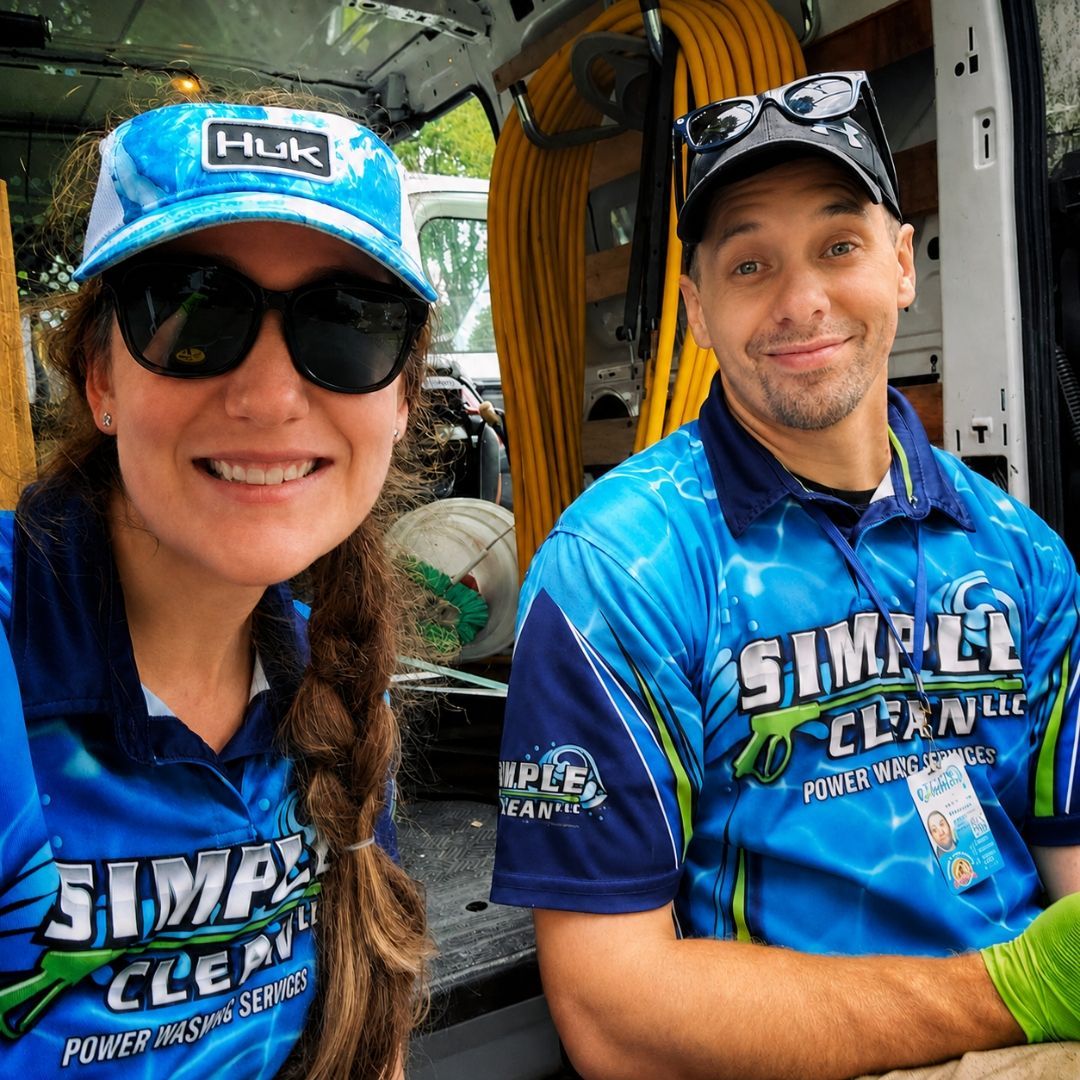
This is exactly why formal training and certification matter in this industry. At Simple Clean LLC, Ryan McGowan holds PWNA (Power Washers of North America) certifications in House Washing, Roof Cleaning, and Fundamentals of Power Washing. That training is specifically built around understanding what each surface can handle, what chemistry to use, and when to put the high-pressure wand away entirely in favor of a soft washing approach.
We've been called to properties where other companies — some of them with years of experience — damaged siding, compromised mortar, and forced water behind panels by using too much pressure. The damage isn't always visible immediately, which makes it even more dangerous. This is why knowing what not to do is just as important as knowing what to do.
Surfaces That Should Never See High Pressure
The following surfaces are the ones we see damaged most frequently — either by well-meaning homeowners attempting a DIY job or by undertrained contractors who don't know the difference. Here's what's at risk and why.
🏠 Vinyl and Aluminum Siding
Vinyl and aluminum siding are two of the most common exterior materials in our area — and two of the most commonly damaged by improper washing. High pressure forces water directly behind the panels, which can lead to trapped moisture, rot, mold growth inside the wall cavity, and in the case of aluminum, visible etching and denting that simply can't be undone.
The right approach for both materials is always low-pressure soft washing with appropriate cleaning solutions. The chemistry does the work — not the pressure. It cleans thoroughly, safely, and without putting the structural integrity of your siding at risk.
🧱 Stucco and Dryvit (EIFS)
Stucco and Dryvit are beautiful exterior finishes — and extremely unforgiving when it comes to high-pressure washing. The force of pressurized water can crack the surface layer, dislodge material from the substrate, and create entry points for water intrusion that lead to far bigger problems down the road. Repairs to stucco and Dryvit are not cheap.
Both surfaces respond well to soft washing methods — low pressure, appropriate dwell time, and a thorough rinse. That's the only approach we use on these materials, full stop.
🪨 Old Mortar and Crumbling Brick
Brick can handle pressure washing — but only when it's in good condition. If the mortar joints are aging, cracking, or crumbling, high-pressure water will accelerate that deterioration rapidly. What starts as a cosmetic cleaning job can turn into a tuckpointing repair bill in a hurry.
Before any power washing work begins on brick or masonry, we assess the condition of the mortar and surface material. If repairs are needed first, we'll tell you — clearly and honestly — before we ever start the equipment.
🪟 Windows and Screens
Windows and screens might seem like a straightforward thing to blast clean, but incorrect pressure and spray angle can crack glass, shred screen mesh, blow out window seals, and force water directly into your wall framing — creating the kind of moisture problem that turns into rot and mold over time.
We clean exterior windows as part of our house washing process using low pressure and our neutralizing finishing soap, which leaves a clean, streak-free shine without any of the risk that comes from high-pressure application.
🌧️ Gutters and Downspouts
Gutters are more fragile than they look. Aged fasteners, deteriorating fascia boards, and weakened seam connections can all fail under high-pressure water — leading to gutters that pull away from the roofline or leak at the joints. Debris inside gutters should always be removed by hand before any water is introduced, and the cleaning itself should be done at low force with a wide spray pattern.
We take the same careful approach to gutters as we do to every other surface on your property — low pressure where it's warranted, and a thorough visual assessment before we start.
⚡ AC Units, Light Fixtures, and Electrical Outlets
This one isn't about surface damage — it's a genuine safety issue. AC units are built to handle rain, not the sustained force of pressurized water. High pressure can drive water into the electrical components of the unit, causing shorts, malfunctions, and potential fire hazards. The same applies to exterior light fixtures and electrical outlets.
On every job we run, these areas are identified before we begin and treated with appropriate caution — low pressure, careful angle, and keeping the wand at a safe distance. It's a small detail that makes a big difference in the safety of your home.
🌿 How We Protect Your Property on Every Single Job
Property and plant protection isn't an add-on for us — it's built into every step of our process. From the moment we pull up to your home, we're thinking about more than just the surfaces we're cleaning. We're thinking about everything around them too.
- Pre-wetting all landscaping before any cleaning solution is applied — this saturates plants, mulch beds, and grass so they're protected from chemical contact and runoff
- Rinse and re-rinse all landscaping throughout the job, not just at the end
- Neutralizing finishing soap applied to all cleaned surfaces to break down any remaining sodium content that could affect plants, metals, or trim
- Careful placement of equipment to avoid compacting beds, damaging mulch, or putting weight on fragile plantings
- Visual walkthrough before starting — we identify any vulnerable landscaping, delicate surfaces, or potential hazards and communicate them to you upfront
- Chemical runoff management in accordance with our EPA environmental compliance and PWNA environmental awareness training
The Power Washers of North America places a strong emphasis on environmental awareness as part of its certification training. That means understanding how cleaning solutions interact with soil, plants, and water runoff — and taking active steps to minimize any negative impact. It's not just about cleaning your home well. It's about doing it responsibly.